
7 Factors That Affect Pressure Vessel Performance and Safety
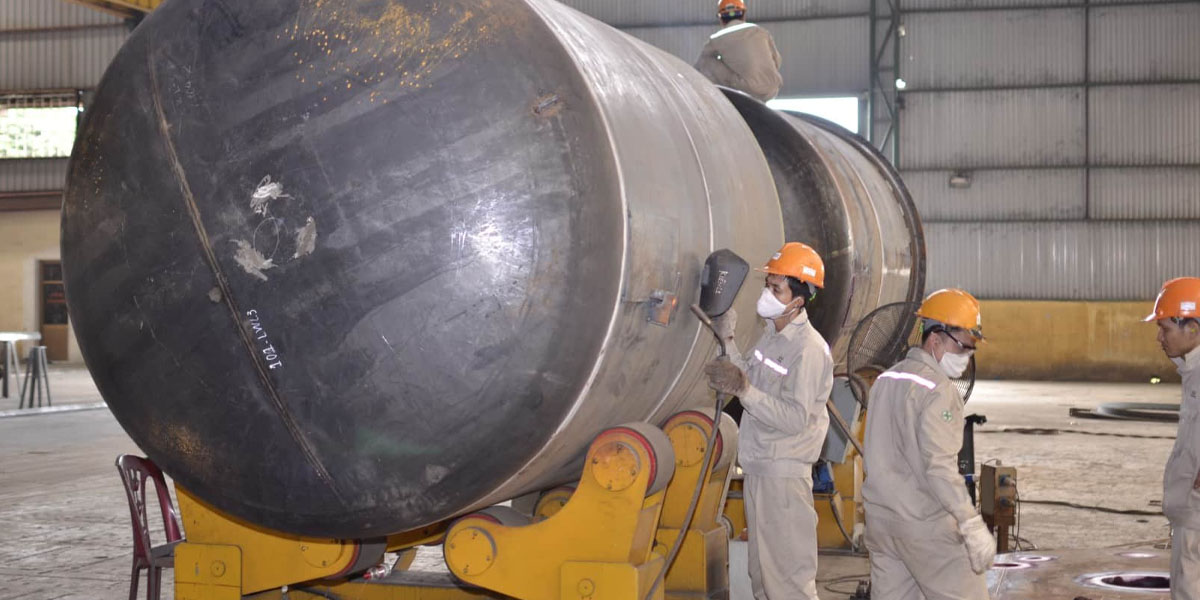
What if the pressure vessel fails to withstand the pressure, temperatures, or the substances it is intended for? Any minor error in the choice of materials, welding, or pressure regulation may cause leaking, breakdowns of equipment, or even an explosion. While you are planning a pressure vessel installation or replacement, these issues will be useful for you to know. Let’s consider seven factors affecting pressure vessels.
1. Operating Pressure and Temperature
The pressure vessel must be compatible with the environment in which it will be used. The design pressure and temperature play an important role in determining the wall thickness and appropriate material.
But normal operation is not the only consideration. Starting up, shutting down, sudden pressure fluctuations, and temperature changes add additional stresses to the vessel. Pressure cycling may cause fatigue cracks over time.
The pressure vessel should be selected after defining the pressure range, operating temperature, contents, and operating cycles.
2. Material Selection and Corrosion Resistance
The material used influences the strength, lifespan, and suitability of the vessel in handling the process fluid. Carbon steel can work well in most industrial applications, whereas stainless steel might be more suitable if corrosion resistance is a factor. Neither material will always be suitable for all processes.
The chemical characteristics of the process fluid, the operating temperature, operating pressure, and any impurities are all important factors. Corrosion allowance may also be required as this accounts for any metal loss due to corrosion.
For installation in the UAE, the environmental conditions also have to be considered. Coastal exposure, moisture in the insulation, and improper protective coatings may cause external corrosion.
Select materials based on engineering specifications, not just cost considerations.
3. Design Codes and Engineering Calculations
A pressure vessel should have an appropriate design method and technical specifications. One common design code for the construction of pressure vessels, where applicable to the project, is the ASME Boiler and Pressure Vessel Code Section VIII.
Design codes include issues related to allowable material stress, wall thickness, openings, weld requirements, and pressure testing. The loads due to supports, pipes, and other equipment need to be considered by engineers.
The Maximum Allowable Working Pressure (MAWP) is a significant rated value set for the vessel under particular conditions. It should not be mistaken for the operating pressure.
Check what code, edition, and certification are needed before construction starts. It depends on the equipment and project requirements.
4. Welding and Fabrication Quality
Even a correctly designed vessel can fail if fabrication work is poor. Welds, joints, nozzles, and connections need particular attention because defects in these areas can affect structural integrity.
Qualified welding procedures, suitable materials, trained welders, and controlled fabrication methods help reduce these risks. Depending on the code and design, heat treatment may also be required after welding.
Material traceability is equally important. Records should link the materials used in the vessel to the relevant specifications and inspection documents.
Ask your supplier how it controls welding quality and records fabrication work before production starts.
5. Inspection and Pressure Testing
Inspection helps identify defects that may not be visible from the outside. Depending on the design, code, and risk, testing may include visual inspection and non-destructive examination methods such as ultrasonic testing, radiographic testing, magnetic particle testing, or liquid penetrant testing.
Each method detects different types of defects, so the inspection plan must suit the material and weld configuration.
Hydrostatic testing is commonly used to check pressure-containing integrity under an approved test procedure. Pneumatic testing requires special care because compressed gas stores significant energy.
Keep the inspection reports and test records. They provide evidence that the required checks were completed.
6. Pressure Relief Devices and Safe Installation
A pressure vessel needs suitable protection against dangerous overpressure. A pressure relief valve or another approved protective device must be correctly selected, sized, installed, and maintained for the intended service.
Its settings must match the approved design limits. Blocked discharge paths, incorrect settings, or poor maintenance can stop the system from providing the intended protection.
Installation also matters. Poor supports, excessive pipe loads, vibration, and restricted access can create problems during operation and maintenance.
Check the full pressure system, not just the vessel itself. Pipes, valves, gauges, and protective devices must work together safely.
7. Maintenance and Periodic Examination
The state of a pressure vessel may vary over time due to corrosion, fatigue, erosion, or other causes of degradation such as operating out of approved parameters.
Properly maintained pressure vessels ensure detection of any problems prior to their becoming serious. Inspections must be carried out according to relevant regulations, the condition of the vessel, and the recommendations of a competent person.
Guidance on the inspection and certification of boilers and pressure vessels is provided by Dubai Municipality. Establish the exact regulatory requirements that apply to your installation.
Maintain maintenance history, document previous inspections, and examine any unexpected leaks, changes in pressure or evidence of degradation immediately. Never operate a potentially hazardous vessel without an adequate assessment.
Choose the Right Pressure Vessel for Your Project
Pressure vessel safety depends on several connected factors, from sound engineering calculations to reliable fabrication, correct installation, and ongoing inspection. Overlooking even one of these areas can affect equipment reliability and create avoidable risks.
Planning a new pressure vessel project or replacing existing equipment?
When evaluating a Pressure Vessel Manufacturer UAE, ask about design capabilities, applicable codes, material traceability, welding controls, inspection plans, and technical documentation. Contact our team to discuss your operating conditions and project specifications so we can help you identify the requirements for a suitable pressure vessel solution.